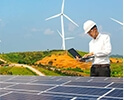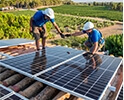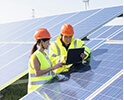


Agriculture requires constant access to energy for processes such as irrigation, water pumping, food production and storage among others. Increases in prices of electricity and diesel would therefore affect agricultural activities because farmers require money to fuel their activities. This is where solar energy can come in handy since it provides an opportunity to take control of your agricultural operations.
It becomes easy to take care of your farming operations once you have the proper solar system since you would be in a position to use solar energy to produce electricity for your farm activities.
How Solar Energy Supports Modern Farming?
The agricultural sector has several energy-intensive activities. Irrigation pumps may operate for long hours while farms may also require electricity for lighting, ventilation, machinery and storage equipment. Solar energy for farming provides clean energy for a number of functions. Solar panel makes electricity from sunlight at daytime hours. Depending on the design of the unit, electricity could be used right at the farm or sent to the energy grid. Besides, battery storage could be used in the system if energy consumption exceeds electricity produced from solar power.
Therefore, using solar energy in agriculture could be a very effective solution for farmers who want to cut down on their electricity expenses.
Solar-Powered Irrigation for Farmers
Solar irrigation is one of the main ways to utilize solar in agriculture. Mostly, farmers depend on either electricity or diesel pumps to irrigate.
Solar irrigation relies on the energy produced by solar panels to power the pump responsible for irrigation. As such, farmers will be able to reduce their use of diesel and regular electricity as well.
Solar solutions for farmers can be designed according to the size of the agricultural land, water requirements, pump capacity and available sunlight. A properly planned system can provide a dependable energy source for irrigation during suitable daylight hours.
Farmers can also explore applicable government programs such as the PM-KUSUM solar scheme, which supports the use of solar energy in the agricultural sector.
Reduce Electricity and Diesel Costs
Energy expenses can have a direct impact on farming profitability. Conventional electricity consumption and diesel usage can become significant costs when irrigation equipment and other agricultural machinery operate frequently.
Installing solar systems for farms can help reduce electricity consumption from the grid. The use of solar power for agricultural water pumping and other relevant purposes can be beneficial in lowering the diesel expenses.
As time goes on, these savings could lead to lower operating costs. The actual savings can be determined based on several parameters such as capacity of the system, energy consumption levels, electricity rates, sunlight availability and differentiation of agricultural machines supplied with solar energy.
If farmers want to invest in energy sources over a long time, the reduction in costs through solar power could be very important.
Solar Panels for Agricultural Land
Agricultural properties often have significant open spaces that may receive good sunlight. This creates opportunities for installing solar panels for agricultural land where permitted and technically suitable.
Solar installations can be planned on suitable farm structures, rooftops, pump areas or other appropriate spaces. Attention needs to be placed when designing the system to ensure it does not conflict with vital farming operations.
Prior to installation, aspects like land resources, shading, orientation of panels, electrical requirements and energy utilization must be evaluated carefully. By employing expert system planning, farmers will be able to choose an adequate solar capacity which will be suitable for the farmers rather than implementing a system which does not comply with their real requirements.
Solar Energy Can Make Farming More Sustainable
Agricultural sustainability is now more meaningful than ever before. Farmers need to obtain solutions that stimulate productivity while decreasing use of energy and natural resources.
Renewable sources of energy help achieve this aim by lessening farmers’ reliance on traditional sources of energy. Solar energy provides electricity without burning diesel or other types of fuel during usage.
Therefore, solar energy helps farm operations to become more energy-efficient. Generally, solar electricity can be utilized for irrigation, lighting, pumping of water, and running farm equipment.
Solar Technology for Different Farm Requirements
Every farm has different energy requirements. A small agricultural property may primarily need power for water pumping while a larger farm may require electricity for irrigation, cold storage, processing equipment and farm buildings.
Modern solar technology for farmers can be adapted to different applications. Depending on the requirement, farmers can consider grid-connected systems, off-grid systems or solar systems combined with battery storage.
The right solution depends on the farm’s energy consumption, available infrastructure and budget. A professional assessment can help determine the appropriate system size and configuration.
Solar Energy for Farmers in Haryana and Uttar Pradesh
Haryana and Uttar Pradesh boast extensive agricultural resources which means considerable energy demands needed for irrigation purification of land and other agro ecology. It is possible to utilize solar energy for agricultural purposes because there is effective sunlight all over the space throughout the year.
In Haryana villages, farmers can consult a reputable solar firm to get information regarding their energy system, and installing solar systems to utilize solar power, while getting rid of the need for electric energy and diesel.
Farmers in Uttar Pradesh may also want to look at solar power for irrigation and various other agricultural uses. Selecting the most suitable Solar Panel in Uttar Pradesh takes into account factors like overall energy use at the farm, power capacity of the pumps used, installation space on the farm, and the available sunlight. Having the right technology will allow farmers to harness the power of nature, enabling their agriculture while relying less on conventional electricity.
Farmers will increasingly have an opportunity to explore cleaner methods of producing energy in their operations with the surge in solar farming interest in India.
Long-Term Benefits of Solar Farming Solutions
Solar installation is a long-term investment. While the initial cost depends on the size and technology selected, the system can continue generating electricity for many years when properly installed and maintained.
For farmers, solar farming solutions can provide several potential benefits:
- Lower dependence on conventional electricity
- Reduced diesel usage for suitable applications
- Better control over recurring energy expenses
- Greater use of renewable energy
- Improved energy efficiency
- Potential long-term solar savings
- Support for more sustainable farming practices
Farmers should evaluate the complete cost of installation, maintenance, expected energy generation and available incentives before making an investment.
Choosing the Right Solar Solution for Your Farm
The most suitable solar system depends on several factors. These include the farm’s location, daily electricity consumption, irrigation requirements, pump capacity and available installation space.
At Zero Bills Energy, farmers can explore solar options designed around their specific energy requirements. A proper site assessment and system evaluation may be performed to find out if solar is relevant for the property and decide on the most appropriate capacity for the property.
Because of the sustained interest in solar farming in India, solar energy is anticipated to play a significant role in modern agricultural energy management, as its implementation will probably lower irrigation expenses for farmers and promote the generation of clean energy. In fact, through solar power, farmers now have the chance to transform the abundant sunshine in India into a valuable resource and use it properly.
Anyone wanting to research solar energy for farmers, or looking to learn how to decrease agricultural electricity costs, should consider getting a professional solar assessment.
Frequently Asked Questions
1. How can solar energy help farmers?
By utilizing solar energy, farmers can generate energy for the pumps used in irrigation as well as for provision of water to farm buildings and other devices. Farmers reduce their dependence on conventional energy and diesel energy, which will take them to sustainable savings in power costs.
2. Can solar power reduce electricity bills for farmers?
Yes. The appropriately sized solar power system allows farmers to produce energy for their farming activities and to depend less on the electricity from the power supply system. The actual savings depends on the consumption of electricity, capacity of solar system, electricity price, and the production of solar energy.
3. Is solar energy suitable for agricultural irrigation?
Yes, the use of solar energy allows the operation of irrigation pumps. Solar irrigation services are beneficial for those farms that presently rely on diesel engines for pumping water or use the electricity supplied by the grid.
4. What is the PM-KUSUM solar scheme?
PM-KUSUM is an initiative of the Government of India to encourage the development and application of solar technology in agriculture. It encompasses the usage of solar pumps, along with some other decentralized solar energy-based projects. Farmers must consult the current official guidelines and state-specific provisions before proceeding with their applications.
5. How can solar energy make farming more sustainable?
Sustainable farming practices can benefit from harnessing the power of solar energy since it can provide sustainable electricity for irrigation and other farming processes. This technology can help decrease dependence on diesel and other traditional energy sources, thus allowing farmers to improve their energy efficiency standards.