Best Guide to Buying Solar Panels
- Know Your Power Needs
- Learn About Solar Panel Types
- Review the Costs and Payment Options
- Utilize Government Subsidies
- Follow a Simple Buying Checklist
- Installation and Care

Increasingly, people are opting for the use of solar energy in the home. Electricity is getting more expensive and there are plenty of options from the government to make solar cost-effective, and to boot, it is a reliable source of energy. If you are contemplating solar energy, then this guide will have everything to inform you on what to expect.
Examine your monthly electricity bills first. This shows you exactly how much power your household consumes. If you want to knock your bill down to zero you will require a larger system with batteries. For saving a part of it a smaller system could be sufficient.
All panels are not created equal. The types of solar panels most popular for homes are monocrystalline, polycrystalline and thin film. Monocrystalline panels are more efficient and take up less roof space. Polycrystalline panels are less expensive and they’re the top sellers. Understand what the types are so that you can make the correct choice for your wallet as well as your roof space.
The cost of solar panels in India has also dropped sharply over the past several years. The cost of a solar system varies based on the panel type inverter and battery storage. Most families now opt for EMI or financing options so that the transition becomes convenient. A reliable solar panels in India can assist you with the best scheme.
Government subsidy on solar panels in India makes solar even cheaper. Central and state policies offer support that reduces the initial cost. Always refer to the latest information or consult with the best solar company in North India to know what advantages you can avail.
Call Us: +91 9266242020

Before purchasing, keep a checklist in front of you. Consider panel efficiency warranty inverter quality service support and simple maintenance. Choose a company that provides aftercare and recycling as well. In this way, you will not have to bother later on.
Once you choose the system, the installation team will install it on your roof. They will position the panels in the optimum direction to receive sunlight. With the panels in place you just require minimal maintenance and cleaning for them to perform efficiently.
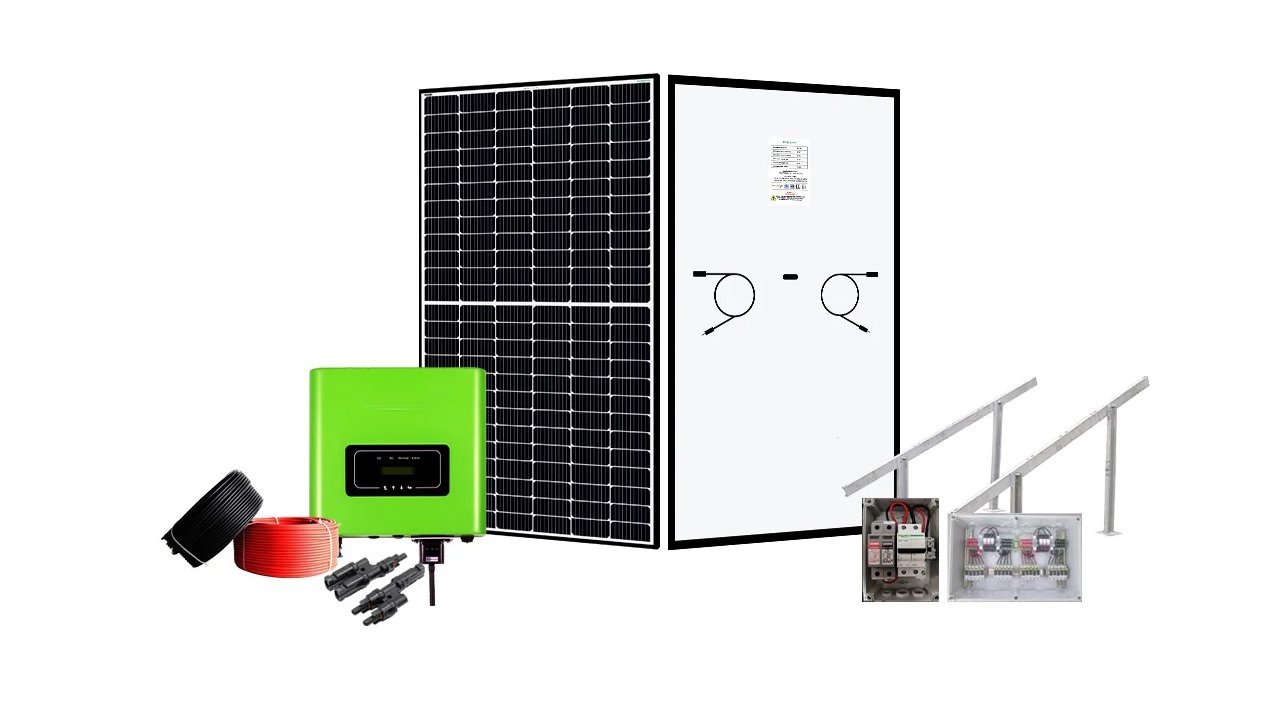
Solar panels convert sunlight into electricity using photovoltaic (PV) cells. These cells generate direct current (DC) electricity, which is then converted into alternating current (AC) using an inverter for use in homes and businesses.
The cost depends on factors like system size, location, and installation complexity. Incentives, rebates, and tax credits may help lower costs.
Solar panels generate electricity even on cloudy days but at reduced efficiency. They do not work at night unless paired with a battery storage system.
Solar panels require minimal maintenance, mainly periodic cleaning and occasional inspection to ensure optimal performance.
The advantage of having solar panels installed in your home is more than saving money. You reduce your carbon footprint and also add value to your property. Good domestic solar power solutions will let you sell any extra power generated back to the grid and earn credits.
It is not that difficult to buy solar panels. If you understand your power consumption compare panels consider the price and use a checklist you can make an informed decision. Dealing with a reliable solar company in India such as Zero Bills makes the entire process simple and hassle free. If you are searching for the best solar company in North India Zero Bills is ready to illuminate your household with clean energy.